Appearance
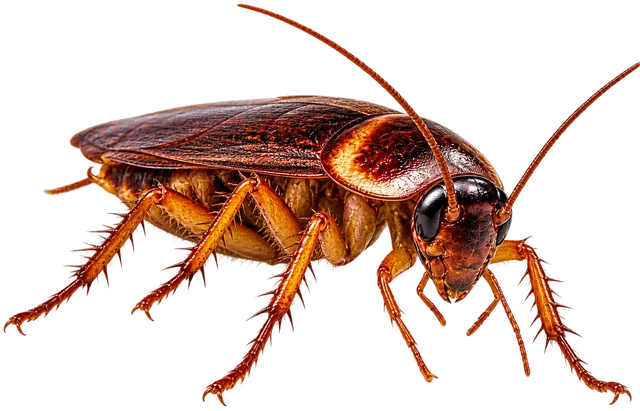
11 to 16 mm, light brown, with two dark longitudinal stripes on the pronotum. Juveniles (nymphs) are darker and lack functional wings.
The German cockroach breeds quickly, hides in cracks, and shrugs off improvised treatments. PROTECH targets active zones with professional baits and structured follow-up until the problem is gone.
Over-the-counter insecticide foggers scatter colonies instead of eliminating them. Professional bait treatment targets the entire colony.
Light brown with two dark stripes behind the head, the German cockroach is the species most commonly found in Montreal kitchens and bathrooms.
11 to 16 mm, light brown, with two dark longitudinal stripes on the pronotum. Juveniles (nymphs) are darker and lack functional wings.
It seeks out warm, damp spots: behind the fridge, the dishwasher, under the sink, near hot water pipes.
It avoids light. Seeing one during the day often signals an already sizable population.
The female carries her egg case until it hatches — protection that makes sprays largely ineffective against the eggs.
It travels in boxes, bags, used appliances, and moves between units through pipes and cracks.
Grease residue, crumbs, glue, cardboard: almost anything will do. Sanitation is part of the treatment.
Cockroaches contaminate food and prep surfaces by carrying bacteria such as salmonella and E. coli. Their droppings, shed skins, and secretions are also a recognized trigger for allergies and can worsen asthma, particularly in children.
In apartment buildings, a coordinated response is often necessary: treating a single unit in an infested building tends to shift the problem rather than solve it. We work with tenants, landlords, and property managers through this process.
Professional bait treatment targets the entire colony, including hidden individuals. Follow-up is essential to break the reproductive cycle.
Locating activity hotspots: kitchen, bathroom, appliances, pipes, and cracks.
Applying professional gel baits in active zones — the insects then carry it back to the colony.
Clear guidance to remove the food and moisture sources sustaining the population.
Control visits to address successive hatchings until complete elimination.
Often because the initial treatment didn't target the eggs (protected inside the egg case), or because the source is in an untreated neighbouring unit. Our protocol includes follow-up visits to handle successive hatchings.
We give you precise preparation instructions before the visit. Generally, you'll need to clear access under the sink and at treatment areas — the technician will guide you based on your situation.
No. They can be brought into even the cleanest home through a box, a bag, or a used appliance, or move in from a neighbouring unit. Cleanliness does, however, help limit their growth.
In Quebec, landlords are required to keep the unit fit for habitation, which includes pest management. Tenants must report the problem promptly and provide access to the unit for treatment.
The longer you wait, the bigger the colony grows. Targeted professional treatment and follow-up until it's fully resolved.