Identification
Ants in the House: How to Tell If They’re Carpenter Ants
Size and sawdust are the two most reliable clues — here's how to spot them before the wood suffers.
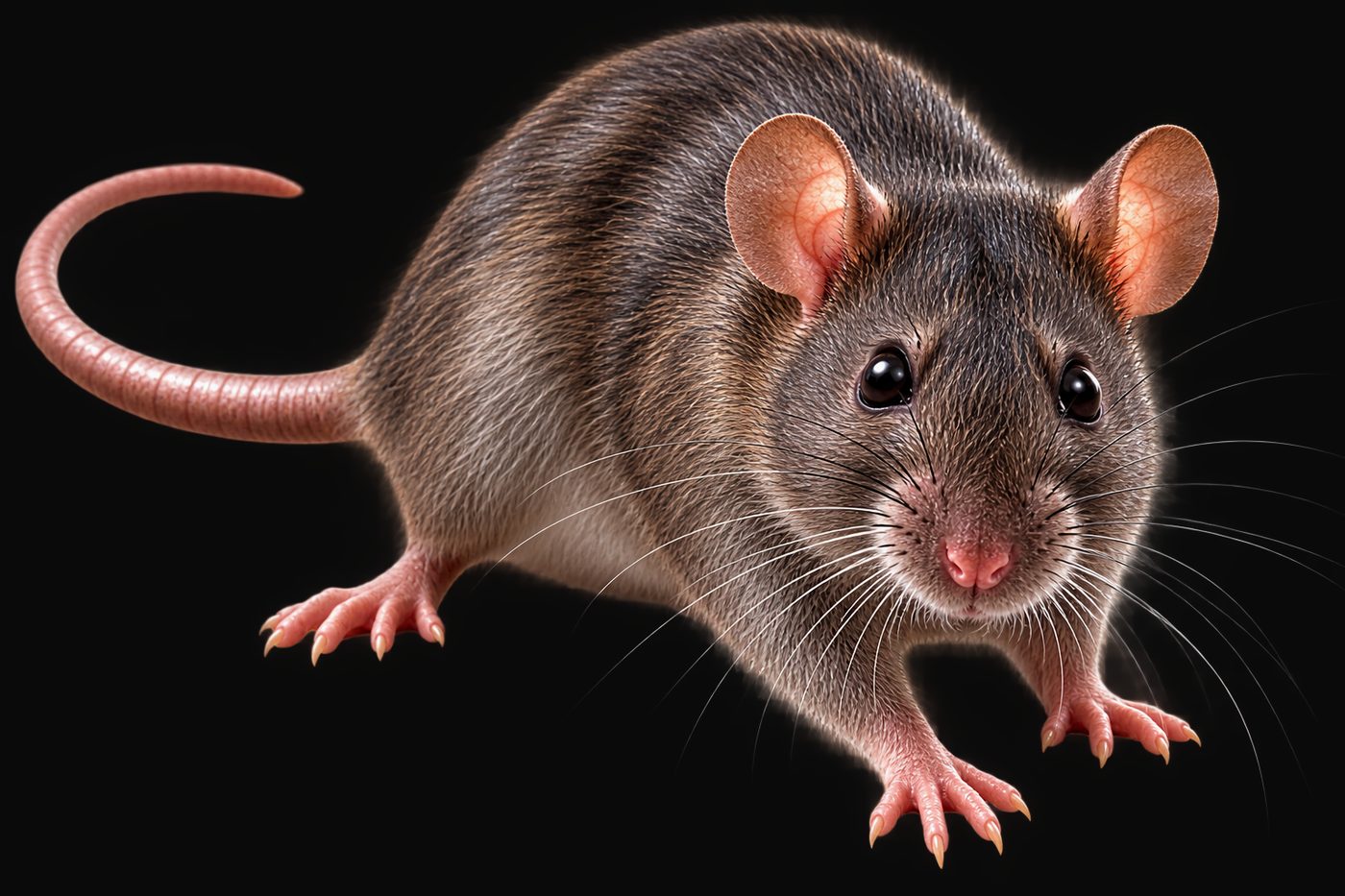
Read the ArticleRats and mice leave different clues, and more importantly, require completely different treatment strategies. Here's how to distinguish them quickly.
Our technicians respond quickly in eastern Montreal, in Repentigny and Laval.
Mouse droppings measure 3 to 6 mm, resembling small dark grains of rice. Rat droppings are noticeably larger — 12 to 18 mm, capsule-shaped. It's often the most reliable and easiest clue to spot.
Mice make light, often quick scratching sounds. Rats are heavier: their movements in walls or attics are duller and more spaced out.
Rats are wary (neophobic): they avoid new objects, including traps, for several days. Mice explore their surroundings more freely. This behavioural difference completely changes the strategy — a trap effective against a mouse can be ignored for weeks by a rat.
A mouse can squeeze through an opening as small as 6 mm. A rat needs a larger space, about the size of a quarter — but it can also widen an existing opening by gnawing at it.
Describe what you're seeing — we'll identify the species and recommend the right treatment.
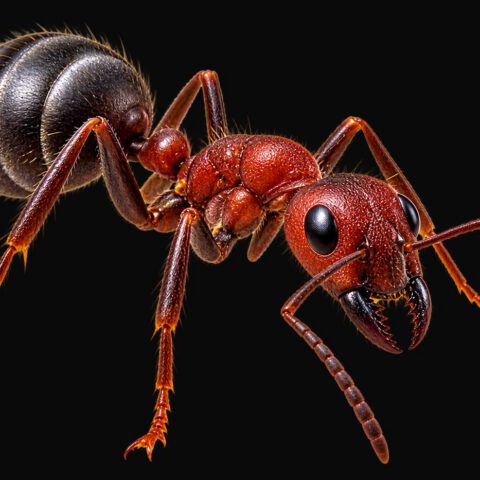
Size and sawdust are the two most reliable clues — here's how to spot them before the wood suffers.
Read the Article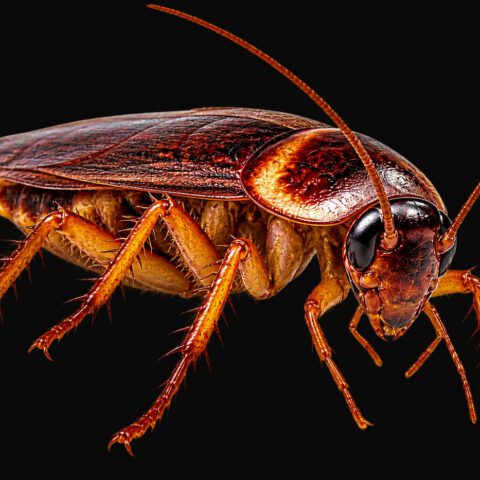
Cockroaches are nocturnal and hide well — spotting one during the day often means things are further along than they appear.
Read the Article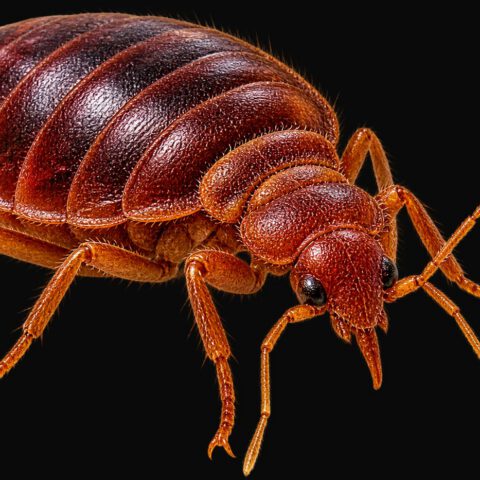
A 2-minute inspection on arrival can save you weeks of treatment at home.
Read the Article