Travel
Bed Bugs: How to Avoid Them While Traveling (and Catch Them Early)
A 2-minute inspection on arrival can save you weeks of treatment at home.
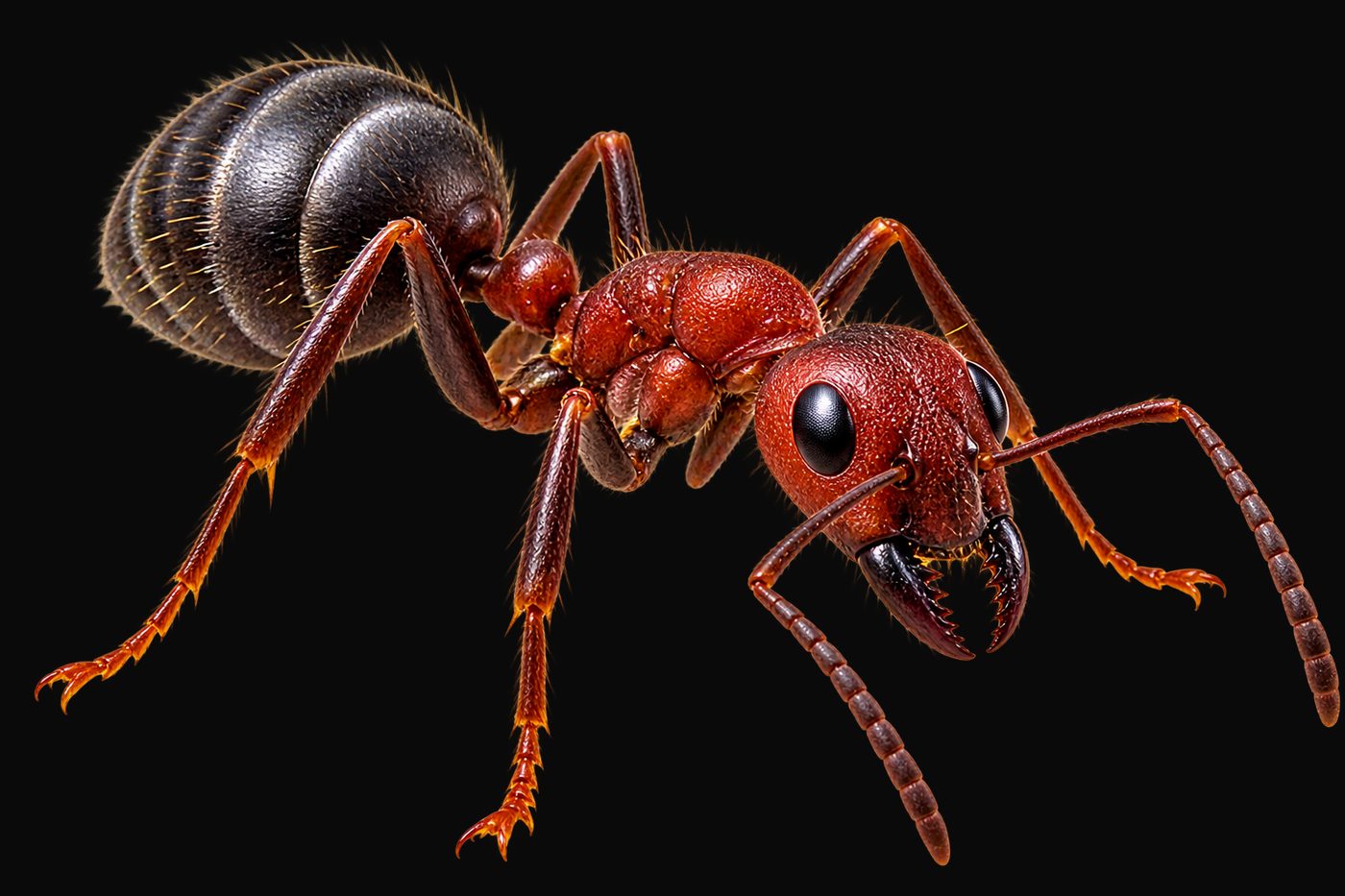
Read the ArticleNot all ants in the house are the same. Carpenter ants, which are larger, tunnel through damp wood to house their colony — a very different risk from an ordinary ant on the counter.
Our technicians respond quickly in eastern Montreal, in Repentigny and Laval.
Carpenter ants measure 6 to 25 mm depending on caste — noticeably larger than common ants, which rarely exceed 4 mm. Viewed from the side, their thorax forms an evenly rounded curve, unlike other species.
Contrary to popular belief, carpenter ants don't eat wood — they hollow it out to establish their colony, ejecting fine sawdust mixed with insect fragments. Finding this debris near a window, door frame, or joist is a near-certain sign of their presence.
Winged ants emerging inside the house — often mistaken for termites, which are absent from Quebec homes — almost always mean a colony is already established in the building, not just passing through.
Every season counts to limit the damage. Free inspection and identification.
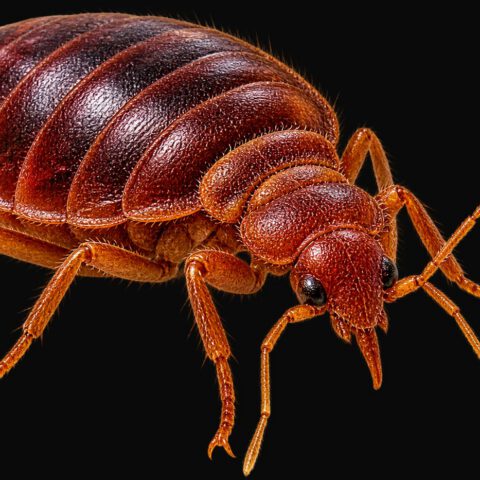
A 2-minute inspection on arrival can save you weeks of treatment at home.
Read the Article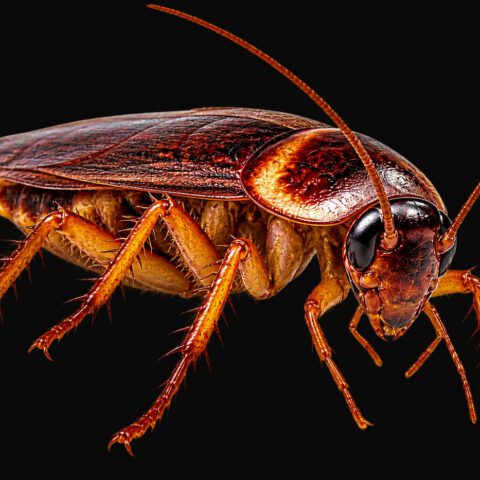
Cockroaches are nocturnal and hide well — spotting one during the day often means things are further along than they appear.
Read the Article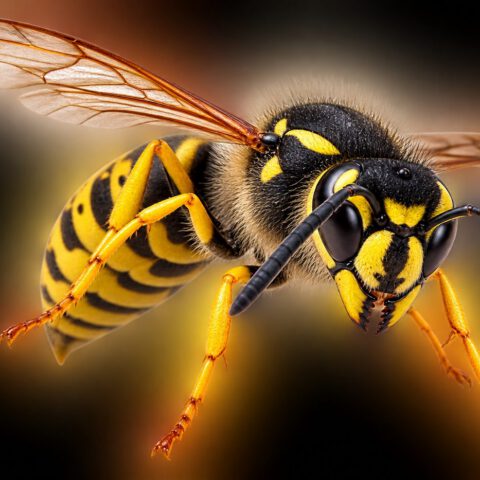
Some instincts seem logical but actually increase the risk of stings. Here are the mistakes to avoid and the real warning signs.
Read the Article