Warning Signs
5 Signs It’s Time to Call an Exterminator for Cockroaches
Cockroaches are nocturnal and hide well — spotting one during the day often means things are further along than they appear.
Read the ArticleA wasp nest near living areas isn't just a nuisance — it's a real risk of multiple stings. Before dealing with it yourself or calling for help, here's what you need to know.
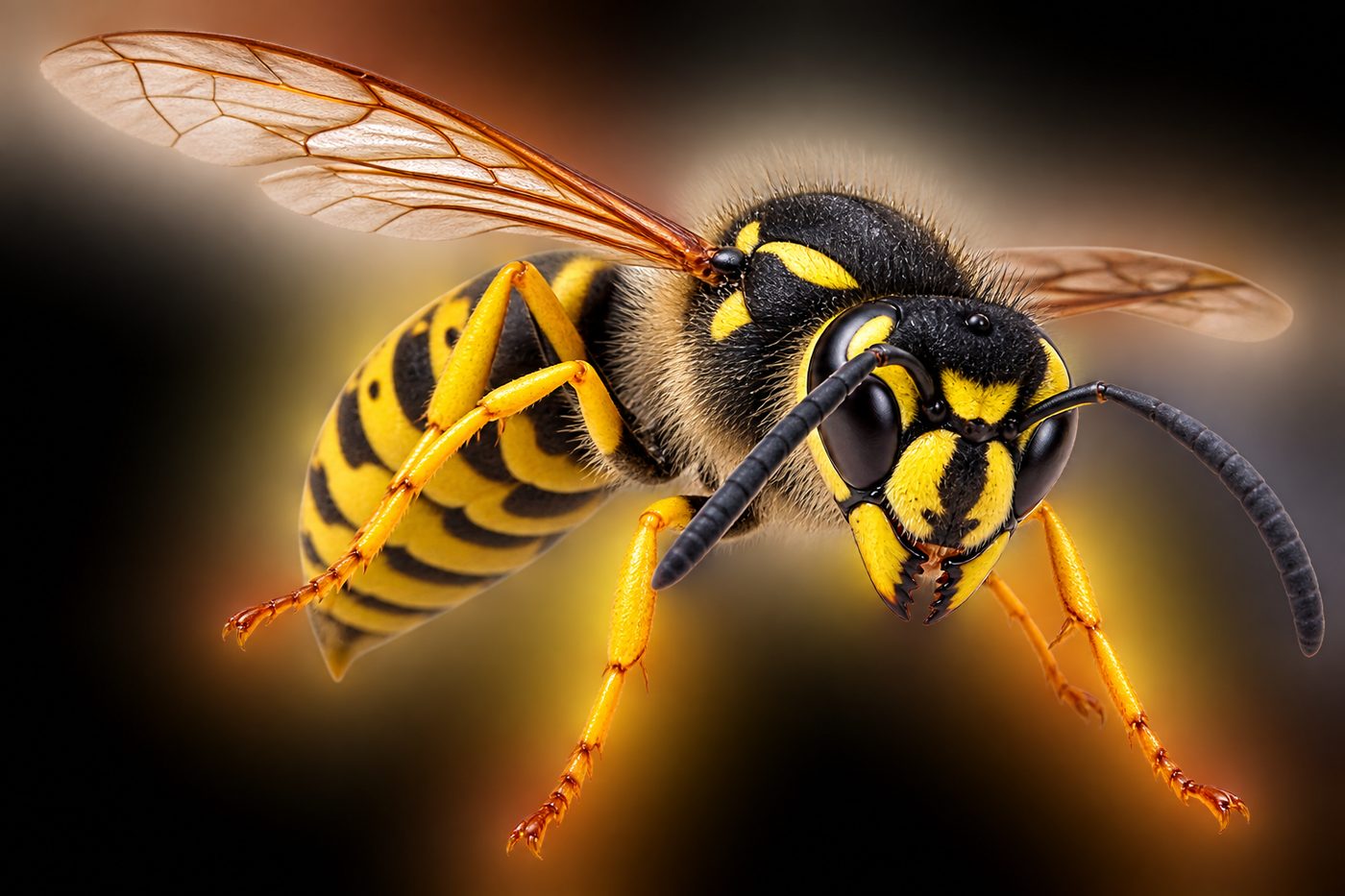
Our technicians respond quickly in eastern Montreal, in Repentigny and Laval.
Keep children and pets away from the area, avoid mowing or trimming hedges nearby, and observe the nest from a safe distance (at least 5 metres) without getting any closer.
Bees are fuzzy, stocky, and only sting as a last resort; a bee swarm deserves relocation by a beekeeper rather than extermination. If you're unsure, a photo taken from a distance is enough to tell them apart.
Don't wait — nests grow bigger every week. Fast, safe intervention.
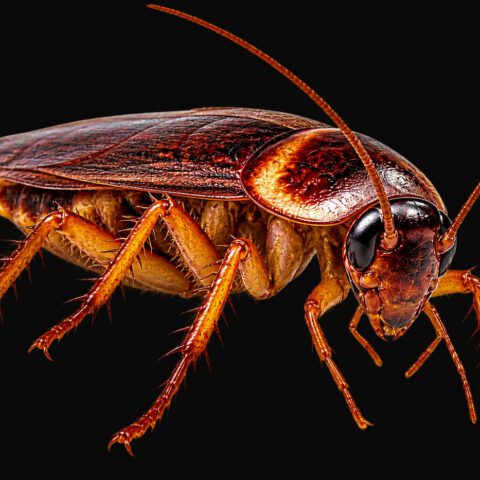
Cockroaches are nocturnal and hide well — spotting one during the day often means things are further along than they appear.
Read the Article
Confusing the two almost always leads to an ineffective treatment. Here's how to tell them apart in a few minutes.
Read the Article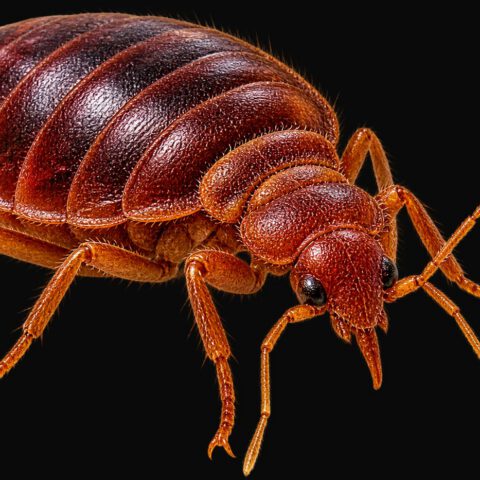
A 2-minute inspection on arrival can save you weeks of treatment at home.
Read the Article